
The highspeed railway, more commonly known as the bullet train, is one of more efficient methods of domestic transport if the distance between 2 points is not overly great. In fact, there are many instances when the highspeed railway is even faster than the plane, for you have to check in early for a flight, get ready for takeoff and after that perhaps wait for your luggage to be taken out. But the highspeed railway is just a very fast train – you just need to be there on time, hop on the train and then get off once you reach your station. It enables for very efficient and convenient travel if the distance is within a 1000 kilometres range.
Background
A subsidiary of China Railway, the Beijing-Shanghai High Speed Railway consists of 24 stations, starting from Beijing South Station and ending in Shanghai Hongqiao station and spanning across Beijing, Hebei, Tianjin, Shandong, Jiangsu, Anhui and Shanghai. It links the political and the financial centre of China, which are also 2 very popular tourist spots. Do note that when I say tourists, I do not mean tourists who go for leisure, but also for work and businesses.
Foreign Tourists
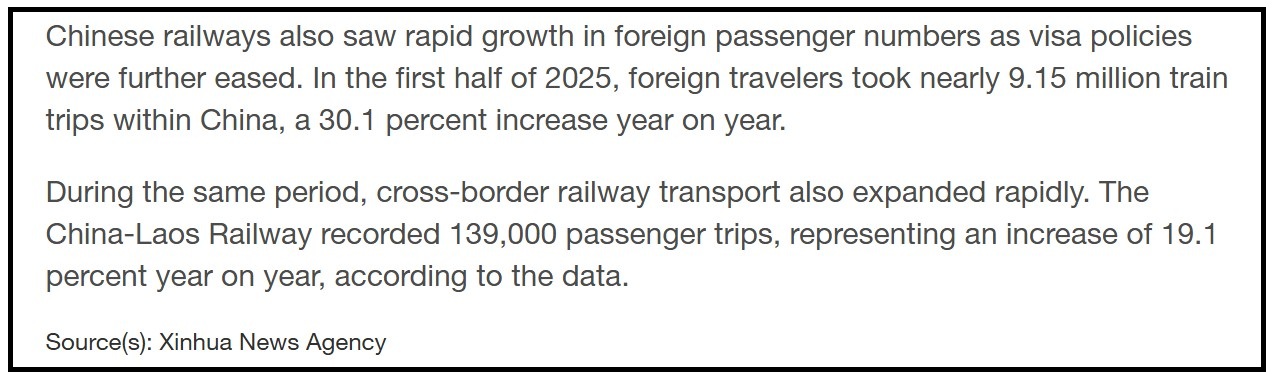
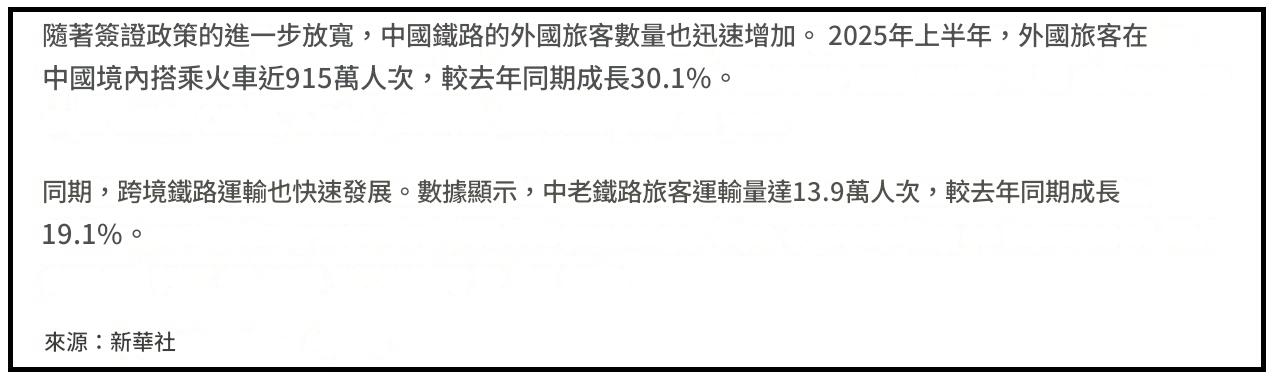
After the Covid pandemic, and despite the world being in a mess right now, China’s foreign tourists arrival is actually doing well. From where I am in Singapore, I can see clearly that more and more people are open and actually going to China for holidays despite not being willing to do so just a few years back. I could attribute this to China’s cultural export showing success and impact.
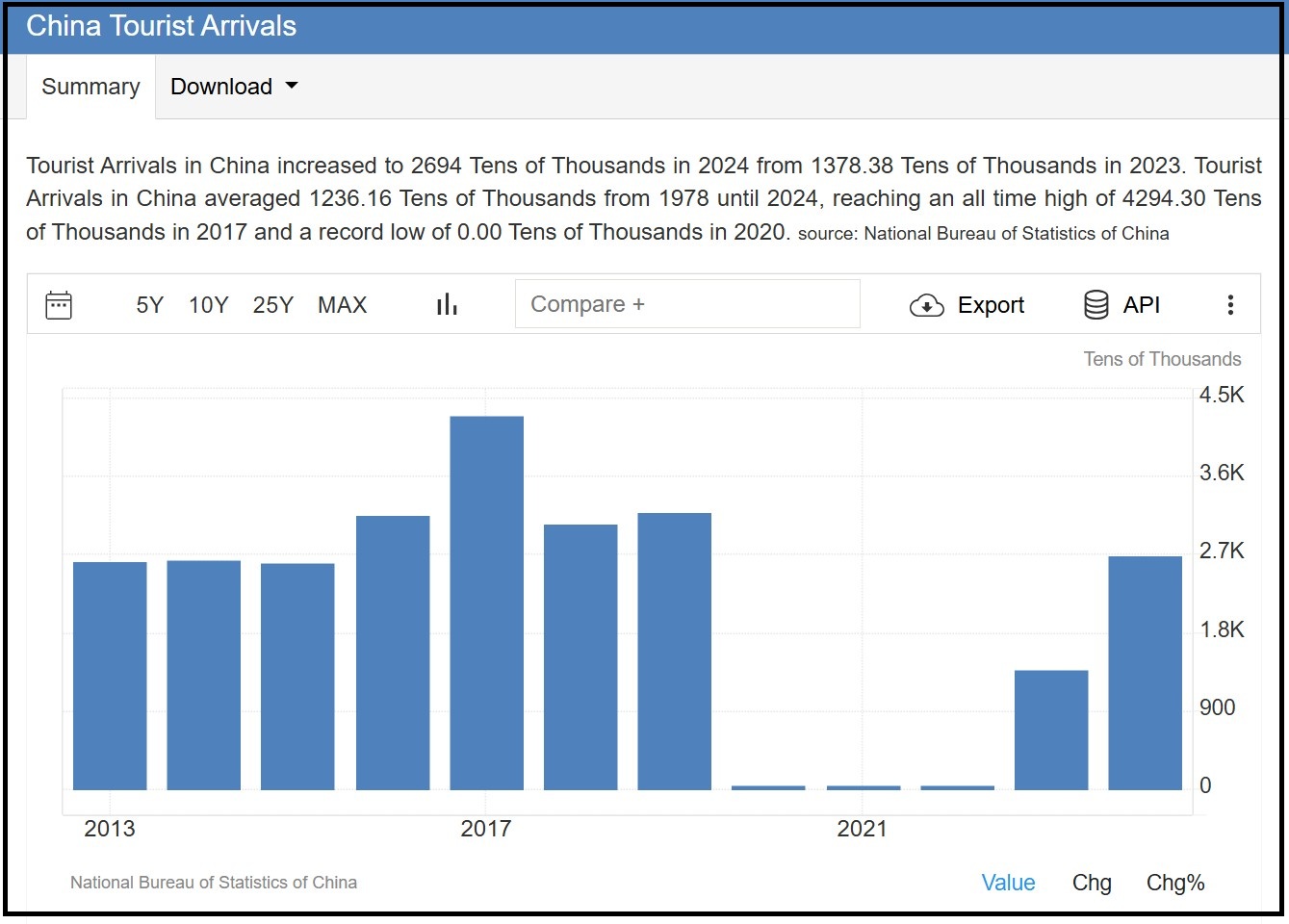
For tourists, Beijing and Shanghai are one of the more popular and safer places to go. Safer not in terms of security, but in terms of convenience, of knowing what to do and expect, of being easier to travel around and other touristy concerns. And naturally, there will be visitors who will visit both Shanghai and Beijing, so we can expect the number of people taking the Beijing-Shanghai High-Speed Railway to actually increase. We can reference Japan in this instance, where tourists contribute a lot to ticket sales of the Shinkansen.
Number Of Passengers On The Beijing-Shanghai High-Speed Railway
The Beijing-Shanghai High-Speed Railway is China’s busiest railway line with the highest traffic, designed to transport 160 million passengers annually. In 2024 (2025’s data is still too early to publish), the railway has seen 52 million passenger trips, meaning that there is still a lot of unused capacity. We also know from the overall summary of China’s Railway that 2025’s volume should be higher than 2024.
Compared to more developed countries like Japan and Spain, China’s ridership is still not as high in terms of population percentage, showing a lot more potential for growth in this area. Although China has been promoting domestic tourism, but success seems to be limited as people are generally suffering from the poor economy. We can say that ridership on the Beijing-Shanghai High-Speed Railway has reached a point where it might be difficult to get up if we solely rely on domestic consumption. It also does not help with the fact that the Chinese themselves are moving away from Beijing and Shanghai to other cities as the bad economy has made carving out a future in these 2 big cities no longer as worthwhile.
Any future increase in ridership has to come from foreign tourists, which China has been actively attracting and which has worked to some extent.
Expansion
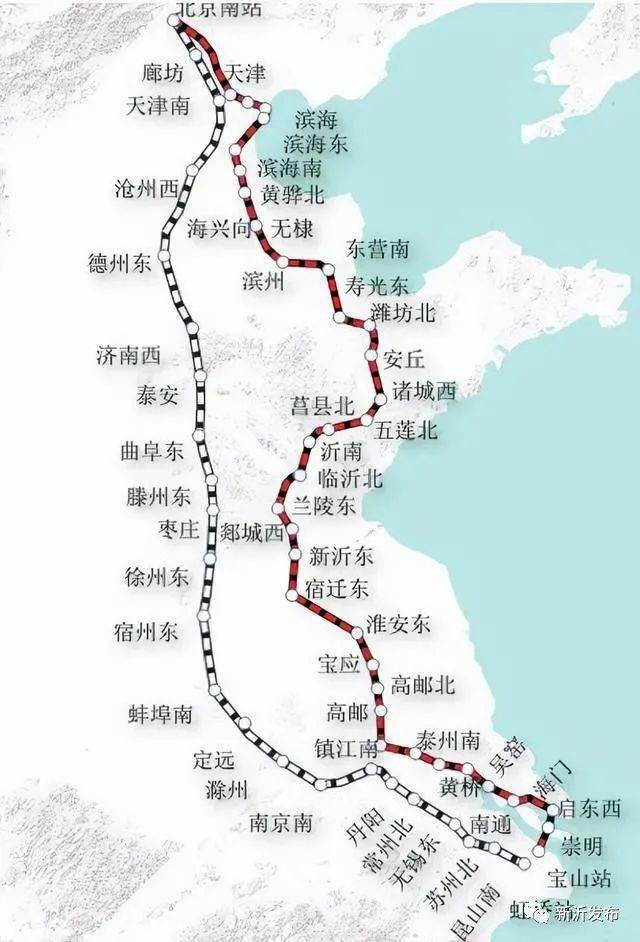
The Beijing-Shanghai High-Speed Railway is constructing a second channel, also running from Beijing to Shanghai. However, unlike the first channel which focuses on the speed of getting from Beijing to Shanghai, the second channel aims to have more coverage along the way for people to get to the different places. This means that there will be more stops on the second channel, and these 2 channels do not compete with each other as they serve 2 different groups of customers with different objectives. The second channel actually serves as a support for the main line and also connects to existing network.
Below we can see the 2 lines, where the white line is the first channel and the red line is the second channel.
Financials
Financials looks healthy. I know it is 2026 now, but the financial report for 2025 is not yet out. I can only get an outdated version in the form of 2024 financial report. In summary, they have 216.9 billion RMB of assets but only 9.5 billion RMB in liabilities, with a net asset of 207.4 billion RMB. They have a 12.9 billion RMB profit in 2024 and holding 10 billion RMB in cash. Regarding cashflow, it took in 32 billion RMB for its business activities and spent 15.2 billion RMB, so having a 10 billion RMB cash reserve is more than sufficient to deal with any unexpected situation.
I will not go too deep into analysing the financials because I have written a short guide on how to do it, and the above paragraph is sufficient summary.
Conclusion
The company has a monopoly on quick travel between the political centre and the financial centre of a big country. The future holds a lot of potential. However, it is also a fact that such potential will take quite some time more to realise. Investing in this stock when nobody is bothering about it may yield good rewards in the future. But one needs to take note that it may be a few years down the road before we see the light at the end of the tunnel.
Personally, I will queue at 5 RMB per share for my first entry.
Disclaimer: This post is not financial advice. Readers are advised to do their own due diligence, form their own conclusions and make decisions appropriate for their own circumstance.
高鐵是一個很有效率的境內交通工具。只要在1000公里的範圍內,很多時候坐高鐵甚至比坐飛機更快更方便,因為不需要像飛機一樣提前到機場,等待飛機起飛,落機後再等行李箱被放出來。
背景
京滬高鐵是中國鐵路的子公司,路線從北京南站到上海虹橋共24站,跨越北京,河北,天津,山東,江蘇,安徽和上海,連接著非常受旅客喜愛的政治和經濟中心。這裡的旅客不單指去中國遊玩的旅客,也包括了去中國辦事的。
外國旅客
即便在天下大亂的疫情後,中國的境外旅客人流還是顯示不錯的數字。在新加坡,我可看見越來越多人選擇去中國旅遊。這是幾年前不會發生的事,也能歸結於中國文化輸出終於見效了。
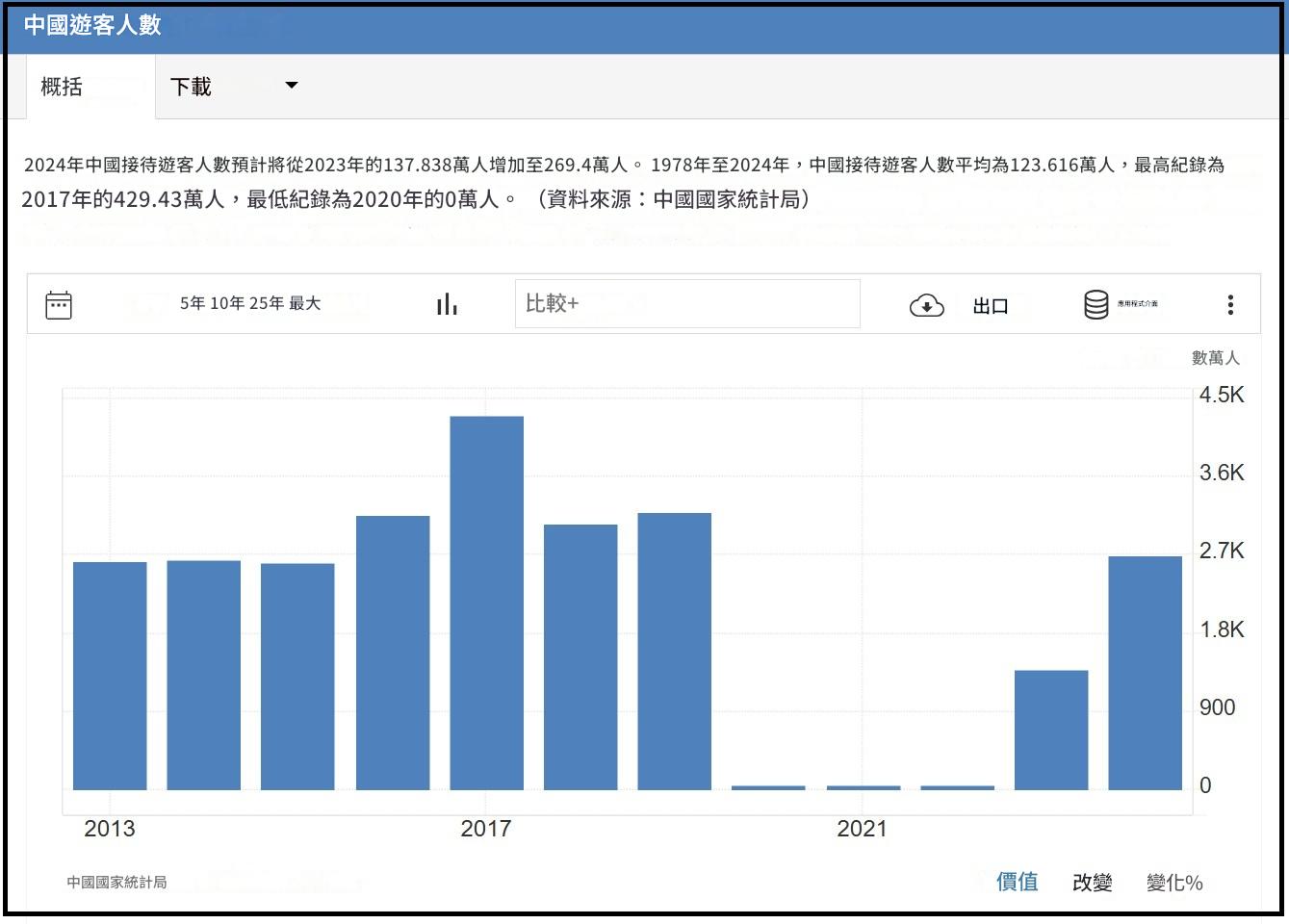
對於旅客來說,北京和上海是比較有名氣,比較安全的選擇。安全不是指治安方面,而是指便利,知道怎麼做,出行方便等這些旅遊方面的顧慮。自然,外來旅客多了,北京上海自然也有更多人去,便可推斷京滬高鐵的乘客量會增加。參考日本的新幹線可發現外國旅客佔據了乘客的好一部分。
京滬高鐵的乘客量
京滬高鐵是中國最繁忙,乘客量最多的鐵路,設計每年能承載1.6億乘客。根據2024年數據(2025年數據還沒公佈),鐵路承載了5200萬人次,可見得很多位子沒坐滿。但鐵路總體報告顯示2025年承載人數比2024年高,以此類推,可認為2025年京滬高鐵承載量也較高。
和較發達的日本和西班牙相比,以人口比例計算,中國高鐵使用度沒有其他國家高,代表這方面還有很多發展潛能。雖然中國最近一直推廣國內旅遊,但因為經濟不好,這方面效果有限。而且,目前的承載量已到了一個飽和狀態。要依靠內銷有點困難。因找不到工作離開北京上海,去到別的城市的人也給京滬高鐵帶來了一些負面影響。
京滬高鐵的售票率如果要有所提升,還得依靠外來旅客。就如以上所說,這方面中國已取得一些成功。
擴張
京滬高鐵第二通道,目前在建築,也從北京到上海,但和主線不同,第二通道覆蓋地區和車站數量更多。如果第一通道是快速從北京到上海,第二通道便是讓更多人到達更多地方。第二通道屬於輔助模式,面對的群體不一樣,不會相互競爭。以下可看到這兩條線覆蓋的地區。
結論
京滬高鐵壟斷了一個大國的政治和經濟中心之間的快速交通,未來有著很大的潛力。但這潛力需要好一些時間才能實現。投資未來可能有很好的收益,但時間得拉上個好幾年。
我個人的建倉價將會是每股5人民幣。
此貼不是投資建議。讀者需自己做功課,自行判斷,做適合自己的決定。
Showing 1 - 3 out of 3
Page 1 out of 1
| - | Shop Products | Price | |
|---|---|---|---|
|
|
 |
$99,999.00
|
|
|
|
 |
$1.00
|
|
|
|
 |
Price range: $69.00 through $99.00
|