
Fu Shou Yuan is a funeral service which I invested in since last year. Despite my confidence in the company, stock prices has been steadily going downhill, causing many investors to lose faith. When prices are good, there are many positive commentaries. When prices are down, the naysayers popped out one by one. I remain confident in Fu Shou Yuan and today I will talk about the reasons. Today’s article is less about hard data and numbers, but more about human nature and psychology.
Of Houses and Burial Plots
Houses are for the living, burial plots for the dead. One common argument against buying this stock is that the overall real estate bubble in China has burst. If the living no longer buy a house for themselves, what makes people think that there will be real estate for the dead? Houses, once thought as an inelastic demand, is no longer viewed as such. People has shifted back to live with their parents, or that a purchased house is no longer a requirement for marriage.
However, people neglected one thing. People in China bought houses mainly because they believed that the real estate will rise in value over time. People do not generally rent a burial plot to profit from it. The emotional value attached to both real estates are different.
This comes back to whatever I said in many of the stocks I buy: When China’s economy recovers, things will get better.
Of Filial Piety And Face
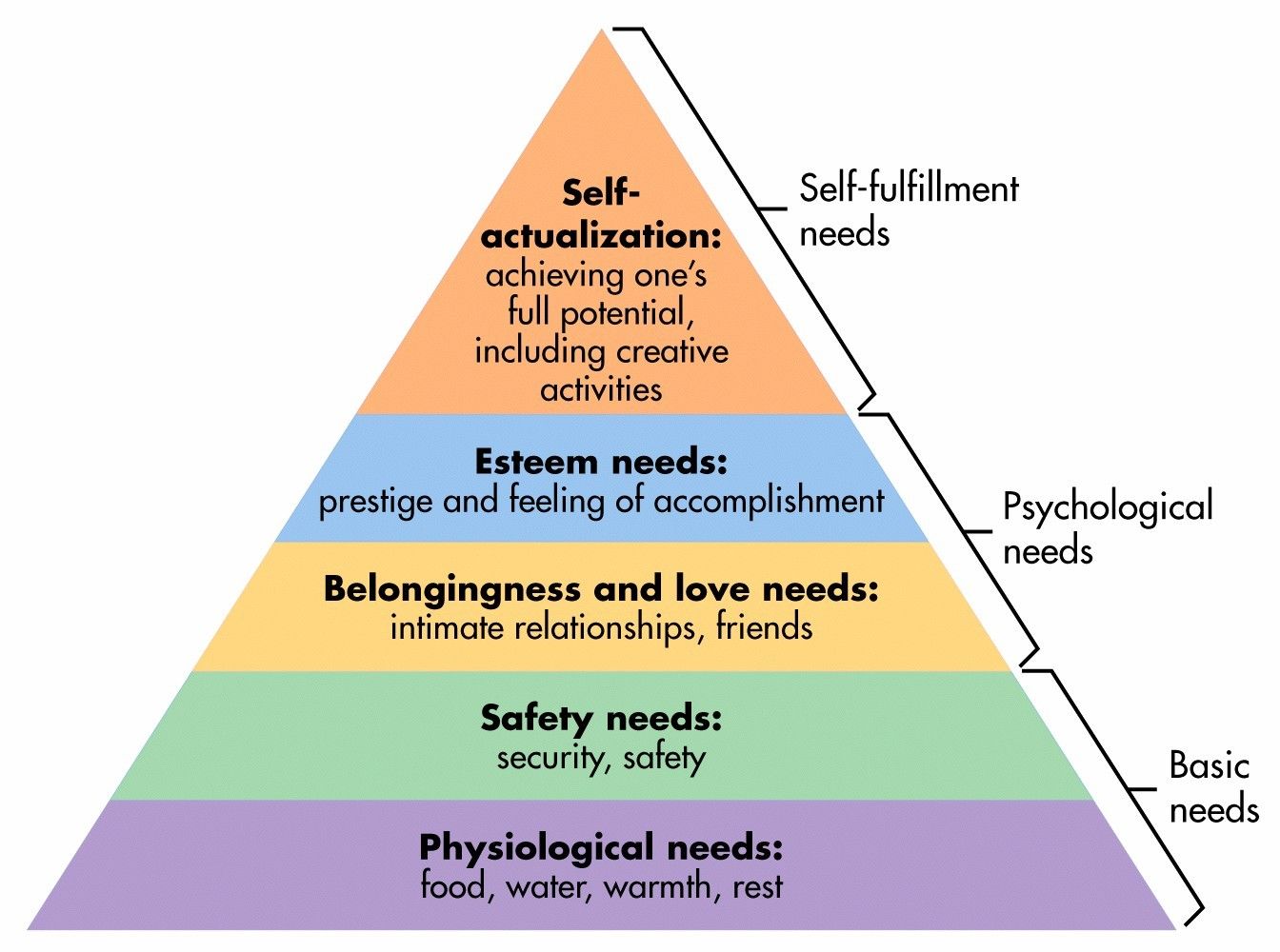
Maslow’s hierarchy of needs dictate that our basic needs are the most important ones. Food, shelter, water lies right at the bottom of the pyramid, signalling its importance. Without those, a human would not even crave for sex. China’s economy right now is where university graduates do not have a job and middle-aged people are paying high mortgages for a house which has long collapsed in value. Everyone is saving as much as they can just like how Japan was in their lost decade and still is right now.
China has 5000 years of culture and history. While traditions differ from place to place, there are a few values which has been held firmly over the centuries, one of which is filial piety. Being filial to parents, not only during their living days, but also after they have passed on. This is not a jab at the Chinese, but human nature is such that when a child grows up, he or she has their own world and their own life. They no longer revolve around their parents. It is common tendency for some to gradually distance themselves from their parents over time as they get busier with their own lives and their own families.
And death is the last chance to show such filial piety. One may not be filial for the living, but one has to look filial for the dead. That is why certain known unfilial children acted totally differently during funeral preparations and during the procession. Crying loudly and spending money on a grand funeral are part of the package to ‘honour’ the dead and to prove one’s own filial piety.
The funeral service is not exactly and solely serving the dead. It serves to give the filial living some memory to hold on to, and to give the unfilial living the face they need.
Of Superstition and Fengshui
Some say that the era has changed. People has now changed the way they view certain things. People are no longer concerned about what happened to their bodies when they have passed on, choosing to go for a simple and fuss-free option upon their death. Burn my body and scatter my ashes elsewhere. Save time, effort and money.
You probably have come across young people who live their lives unhealthily – chain smoking, heavy drinking, eating junk food and sleeping late. These people will often have an attitude of: I don’t really care if I die early. When the time comes, it comes. Yet these same people started to quit their unhealthy habits when the doctor put the medical report right in front of them: quit or die. They begin to live healthily. Because death is an end none of us can escape yet do not wish to face directly. Those people continued with their bad habits because they believed that death is still far from them.
Singapore, where I come from, is a highly developed country with a high level of education. Yet in this modern science backed era, religion and fengshui is still very prevalent in society. People do things to increase their luck and fortune in their careers, marriage, business etc. Godless people suddenly found God, and believers of science turned to fengshui in their elderly years. I do not need to go into details about the link between funeral services and fengshui.
When the elderly begin to face their death, fengshui comes into play for some of them. Many of the current generation of elderly in China are living a good life now. They have a pension, they do not have too many children and they have the leeway to do whatever they need, including setting aside some of their own money for their own funeral preparations.
Market Share
It may be one thing if private funeral companies capture the majority of the market share in China, but right now they only capture a very small percentage of the overall market. Fu Shou Yuan, the biggest funeral service provider in China, only captures 2% of the market share. Many of the people still go for government provided services. But as the economy recovers, this rapidly aging population with money to spend will indeed be a big driver in this business.
Conclusion
When the stock is down, every commentary is negative. When the stock is up, people flip their narrative quickly. One only need to look at the crypto market to understand this. Do your homework carefully, be confident and stick to your plan which you made when you are in a calm state of mind. I am not saying I am definitely right and I will definitely profit from this investment, but when I say I believe in this company, I put my money in it.
福壽園是一個我去年開始投資的殯葬公司。雖然我對公司很有信心,但股價卻一直不斷地跌,導致很多投資者都失去信心。股價好時,大家都說得前途一片光明。股價不好時,一堆唱衰的都出來。至今我仍然對福壽園有信心,此貼也會說明理由,但不會有什麼數據。就聊人性與心理。
房屋與墓地
房子是給活著的人,墓地是給逝去的人。不看好這股票的一個常用理由是中國房產泡沫爆了。如果活著的都不買房子,又會有誰為逝去的人買房產呢?一個過去被認為是剛需的房子現如今已不被那麼認為了。有些人搬回去和父母住,也有些人不再堅持婚前要備好房子。
但人們忽略了一件事。中國人買房子是因為確信房價會隨著時間而升值。人們通常不會為了升值而去租或買一塊墓地。這兩種房產對標的情感是不同的。
對於我投資的港A股,我常說:中國經濟好起來了,情況就會變好了。
孝心與面子
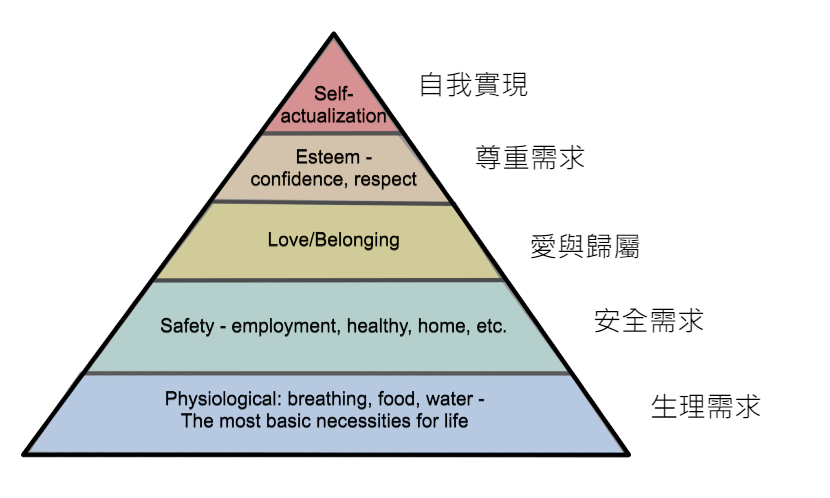
馬斯洛需求層次理論指出,我們的基本需求是最重要的。食物,住宿,水都在金字塔的底層,反映了它們的重要性。沒滿足這些,人甚至連性愛都不會去想。中國現在的經濟是連大學畢業生都找不到工作,中年人士在為一個房價早已腰斬的屋子支付昂貴的貸款。每個人都是能省多少則省多少。就好像日本失去的十年。
中國有5000年的歷史文化。雖然傳統因地方而異,但有幾個價值觀是千百年來不變的,其中一個便是孝心。這孝心不單指父母生前時,也指逝世後。這不是吐槽,但人性決定了孩子長大後,會有自己的世界,自己的生活。生活不再圍著父母轉。久而久之,隨著生活與自己組建的家庭的忙碌,逐漸與父母有了距離。
而死亡便是孩子表達孝心的最後機會。對生者可以不盡孝,但對死者必須做足孝心。這就是我們常聽說的不孝子大聲哭喪,大辦喪事的原因。都是為了表孝心。
殯葬行業服務的不只是逝者,更是讓孝子有最後的懷念,讓不孝子有最後的面子。
迷信與風水
有些人說時代變了,觀念也變了。人們已不在乎自己的尸體怎麼處理,要求簡單處理就好。火化了把骨灰給撒了。省錢,省事,省時間。
大家可能會遇到過一些活的很不健康的人 – 抽煙酗酒,吃垃圾食品與熬夜。態度就是:爛命一條,要就拿去,時間到了就是到了。但當醫生拿出體檢報告出來並給他們兩個選擇時:要嘛戒,要嘛死 – 同樣的這一批人通常會選擇戒。因為死亡是大家不能逃避卻不想直視的結果。年輕時不肯戒,無非就是認為死亡還很遙遠。
我來自的新加坡是個非常發達的國家,國民教育水平高。但就在這個科學的現代,宗教與風水在社會中還是很普遍的。人們會為了事業,婚姻,生意等做各種事來提高自己的運勢。到了晚年,從不信神明的人找到了宗教信仰,崇尚科學的卻又信了風水。風水和殯葬行業的關聯,我就不多說了。
人到了晚年,開始面對死亡時,風水就開始介入了。現一代的中國老年人很多都過得不錯。有退休金,沒太多孩子,有餘地做想做的事,包括為了自己的後事留出一部分錢來。
市場份額
如果現在私人殯葬公司佔了大部分的市場,那情況就不一樣了。但在中國,私人企業佔了市場極少份額。福壽園,中國最大的殯葬公司,只佔了市場的2%。大多數人會選擇政府提供的服務。但隨著經濟的復甦,這極快老齡化的有錢群體便會是這行業的一個推動力。
總結
行情不好時,所有評論都是負面的。股票好轉後,他們變臉比誰都快。看一下加密貨幣市場就知道這個現象了。仔細的做功課,保持自信,跟著你在冷靜時制定的計劃走。我不是說我絕對是對的,也不是說我絕對會賺到錢,但是我說什麼我就做什麼。我拿出我的血汗錢,投進去了。
Showing 1 - 3 out of 3
Page 1 out of 1
| - | Shop Products | Price | |
|---|---|---|---|
|
|
 |
$99,999.00
|
|
|
|
 |
$1.00
|
|
|
|
 |
Price range: $69.00 through $99.00
|